Tsanafia: A Stylish Script Font for Editorial Design
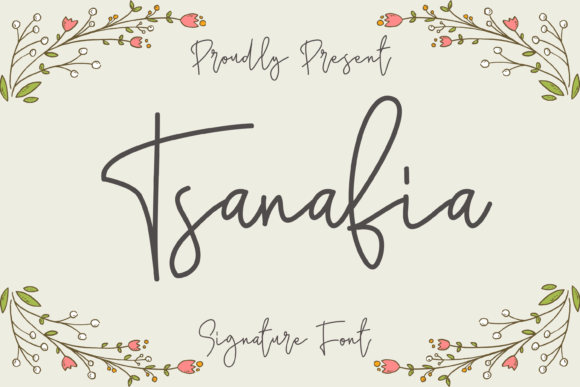
Tsanafia is a delicate script font that brings elegance and finesse to any editorial project. With its clean, thin, and smooth design, it offers a versatile aesthetic that can enhance the visual appeal of blog headers, magazine covers, and ebook titles. As an editorial designer or content creator, finding a font that balances style with readability is essential, and Tsanafia delivers on both fronts.
Visual Characteristics and Editorial Appeal
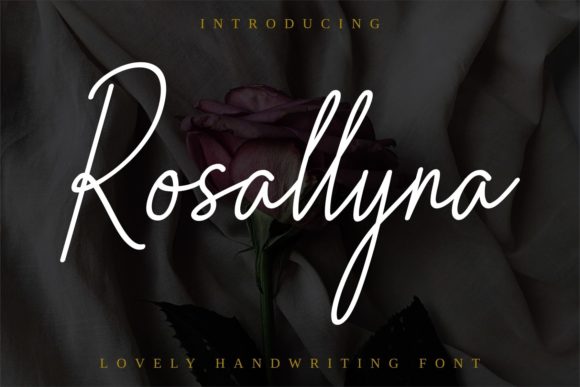
Tsanafia’s subtle curves and refined strokes give it a modern yet approachable feel. Its light weight makes it ideal for creating a sense of openness and flow in layouts, while its consistency ensures that it remains legible even in smaller sizes. This font carries a soft, handwritten quality without being too informal, making it suitable for a wide range of content types.
The versatility of Tsanafia lies in its ability to adapt to different contexts. Whether used for a lifestyle blog or a wedding guide, it adds a touch of sophistication that complements both text and imagery. The font’s smooth lines also make it well-suited for digital formats, including web pages, PDFs, and mobile layouts.
Applications in Editorial Design
When working on a blog header, Tsanafia can serve as an eye-catching title that draws readers in. Its clean appearance ensures that the headline remains readable while still standing out from the rest of the content. For magazine covers, using Tsanafia as the main title creates a cohesive look that aligns with the publication’s brand identity.
In an ebook, Tsanafia can be used for chapter openers, section headings, and pull quotes. Its elegant style adds a layer of visual interest without overwhelming the reader. When designing printable guides or worksheets, Tsanafia works well for headings and accents, helping to organize information in a way that feels inviting and easy to follow.
For newsletter graphics, Tsanafia can be paired with a clean sans serif font for body copy to create a balanced layout. This combination allows for clear hierarchy, with the script font drawing attention to key elements like headlines and callouts.
Readability and Practical Considerations
While Tsanafia is primarily a display font, it maintains a level of readability that makes it suitable for short-form text. However, it is best reserved for titles, subtitles, and accent typography rather than long passages of body copy. When using it for screen reading, ensure that the font size is large enough to remain legible on various devices.
For print projects, consider how Tsanafia interacts with other design elements such as background colors and spacing. It pairs well with neutral tones and ample white space, which helps prevent visual fatigue. When exporting to PDF, check that the font embeds correctly to maintain its appearance across different platforms.
Font Pairing and Brand Identity
Tsanafia works particularly well when paired with a complementary typeface. For example, combining it with a modern sans serif font like Helvetica or Arial can create a clean, professional look that’s perfect for newsletters and digital magazines. Alternatively, pairing it with a serif font like Georgia or Times New Roman adds a touch of traditional elegance.
Using Tsanafia consistently across a publication reinforces brand identity and creates a unified visual language. It can be used in logos, social media graphics, and promotional materials to maintain a cohesive style. This consistency helps build recognition and trust with your audience.
Commercial Use and Licensing
If you’re planning to use Tsanafia in commercial projects such as ebooks, templates, or paid newsletters, it’s important to review the licensing terms carefully. Many premium fonts require a license for commercial use, and some may have restrictions based on the number of users or the type of product being created.
Ensure that the font you choose includes all necessary styles, ligatures, and multilingual support if your project requires it. This will help avoid any formatting issues when the font is used across different languages or platforms.
Tsanafia is a valuable addition to any designer’s toolkit, offering a blend of style and functionality that enhances editorial work. Whether you're crafting a digital magazine, designing a printable planner, or updating your brand’s visual identity, this font provides a polished and professional look that resonates with readers.